Through AuSpire, RMIT, AstraZeneca and IDAEA-CSIC combine forces to research nature-based solutions for sustainable wastewater
As pressure on water resources grows and climate change intensifies environmental challenges, developing sustainable wastewater management has become increasingly important. Through AuSpire, researchers from Australia and Spain are joining forces to explore how nature-based solutions can improve water quality and support healthier ecosystems.
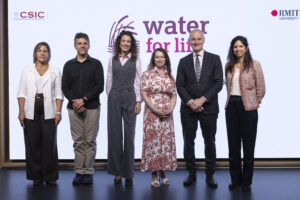
As part of the visit of an RMIT delegation to Europe, the three organisations—RMIT University, a global university of technology, design and enterprise; AstraZeneca, a global biopharmaceutical company; and the Institute of Environmental Assessment and Water Research (IDAEA-CSIC), a leading Spanish research institute focused on understanding and addressing environmental challenges—came together in October to formalise their ongoing research collaboration.
AuSpire projects, guided by the concept of Planetary Wellbeing, are tackling global challenges through meaningful research and the RMIT, AstraZeneca and IDAEA-CSIC partnership combines academic expertise and industry experience to apply environmental research practically.
From the Rubí stream to more sustainable water management
The new partnership was signed at AstraZeneca’s headquarters in Barcelona and builds on the ‘Water for Life’ project, a research endeavour launched in 2025 to promote nature-based solutions for water management and river health, located in the Rubí stream.
Through AuSpire, the project brings together RMIT’s research capabilities, IDAEA-CSIC’s expertise in environmental assessment and water quality and AstraZeneca’s commitment to environmental sustainability and responsible resource management.
Recently appointed AuSpire Postdoctoral Fellow Dr Kai Wilschnack focuses their research on nature-based wastewater treatment systems. Their AuSpire project aims to investigate approaches for reducing chemical and biological contaminants in wastewater, contributing to more sustainable water management and improved ecosystem health.
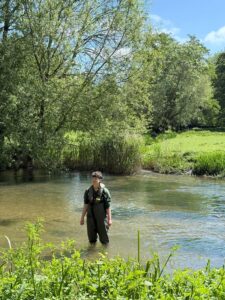
Dr Kai Wilschnack undertaking fieldwork.
An environmental chemist by training, Kai completed their PhD in Environmental Chemistry at Robert Gordon University specialising in water quality, wastewater treatment and the monitoring of emerging contaminants in aquatic environments. Their research focuses on developing sustainable solutions to improve water management and environmental resilience through international industry and research collaborations.
In AuSpire, Kai will work alongside Professor Vincent Pettigrove from RMIT University, Victor Matamoros from IDAEA-CSIC and Albert Anducas Riba from AstraZeneca. This cross-institute collaboration provides an opportunity to combine different perspectives and knowledge in addressing a shared challenge.
”I am really excited to work on this unique project. Everyone has done amazing work so far with designing and building the wetland, and I look forward to looking more deeply into its effect on improving river health,” Kai said.
Combined knowledge for shared challenges
Access to healthy water systems is essential for both human and planetary health and resilience. Addressing the pressures on these systems requires going beyond traditional institutional and geographical boundaries.
By connecting researchers in Australia and Spain with industry partners, AuSpire creates opportunities to explore how shared research can contribute to addressing environmental challenges.
The collaboration between RMIT, IDAEA-CSIC and AstraZeneca reflects AuSpire’s ambition: to foster interdisciplinary research that advances Planetary Wellbeing and supports a more sustainable future.